Can Visitors Use Mansfield’s Dial-A-Ride for 21 Days Legally?
By John K. Rinehardt, Board Certified Civil Trial Attorney (NBTA)
01-21-26
Your Legal Rights to Paratransit Services as a Visitor
If you’re visiting Richland County and rely on paratransit services back home, you may wonder whether you can legally access Dial-A-Ride during your stay. Many visitors with disabilities face uncertainty about their transportation rights when traveling, especially for extended visits requiring reliable accessible transportation. Federal law specifically protects your right to use local paratransit services as a visitor, but understanding the exact rules can make the difference between seamless travel and unexpected transportation barriers.
💡 Pro Tip: Before traveling to any new city, contact the local paratransit provider at least two weeks in advance to understand their visitor eligibility process and avoid delays in service approval.
Secure your right to seamless transportation access during your Richland County visit with the support of Rinehardt Injury Attorneys. Don’t let transit barriers stand in your way—reach out today at 419-529-2020 or contact us for personalized legal assistance.
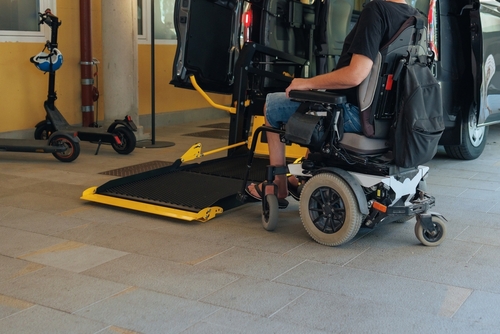
Understanding Your Rights: What a Medical Transportation Lawyer in Mansfield, OH Wants You to Know
The Americans with Disabilities Act (ADA) establishes clear protections for visitors who need paratransit services. Under federal regulations, specifically Part 37 Transportation Services for Individuals with Disabilities, public entities must provide complementary paratransit service to eligible visitors for any combination of 21 days during a 365-day period. This rolling calendar begins with your first use of the service, meaning if you first ride on April 1, your 21-day allowance extends through March 31 of the following year. A Medical Transportation Lawyer in Mansfield, OH can help ensure these federally protected rights are upheld if you encounter resistance from transit authorities.
The law recognizes that visitors need flexibility in how they use their allotted days. The 21 days need not be consecutive—you can spread these days throughout the year as needed. For example, you might use five days during a spring visit, seven more days in summer, and still have nine days remaining for holiday visits or medical appointments. This flexibility—expressed in 49 CFR 37.127, originally published September 6, 1991 and amended May 21, 1996—allows the 21 days to be used in any combination during a 365-day period, though the regulatory history does not clearly indicate whether the ‘any combination’ phrasing was added in the 1996 amendment or was in the original 1991 rule.
💡 Pro Tip: Keep detailed records of each day you use visitor paratransit services, including dates and trip purposes, as this documentation can be crucial if disputes arise about your remaining eligibility days.
How the 21-Day Visitor Process Actually Works
Understanding the timeline and process for accessing Dial-A-Ride as a visitor helps you plan effectively and avoid service interruptions. Federal regulations establish specific requirements that transit agencies must follow. When working with a Medical Transportation Lawyer in Mansfield, OH on accessibility issues, preparation and documentation are key to smooth visitor access.
- Present your ADA paratransit eligibility documentation from your home jurisdiction—transit agencies must accept this without requiring additional local certification
- If you lack documentation, provide proof of residence and, if your disability isn’t apparent, proof of disability—but the agency must accept your self-certification that you cannot use fixed-route transit
- Make reservations up to 14 days in advance, just as local riders do
- Track your usage carefully—once you use the service on 21 separate days within the 365-day period, the transit agency is no longer required to provide visitor service
- Your personal care attendant travels free when accompanying you, but visitor days count toward the 21-day total regardless of whether you travel with a personal care attendant
💡 Pro Tip: Contact the transit agency before your 20th day of use to discuss potential options if you need extended service beyond the 21-day limit, as some agencies have procedures for unique circumstances.
Protecting Your Transportation Rights with Legal Support
When transit agencies fail to honor visitor eligibility rights or create unnecessary barriers, experienced legal representation becomes essential. A Medical Transportation Lawyer in Mansfield, OH understands both federal ADA requirements and local implementation challenges, positioning them to advocate effectively for visitors facing service denials. The Rinehardt Injury Attorneys has extensive experience helping clients navigate complex transportation access issues, including situations where transit providers misinterpret the 21-day rule or impose unauthorized requirements. Their approach focuses on quick resolution to ensure visitors maintain necessary transportation access while protecting their long-term ADA rights.
💡 Pro Tip: Document all interactions with transit officials, including names, dates, and specific reasons given for any service limitations or denials, as this evidence proves invaluable in legal proceedings.
Service Coverage Areas and Fare Requirements
Beyond the 21-day limitation, visitors must understand other critical aspects of paratransit service. The ADA requires that complementary paratransit service extend to origins and destinations within corridors three-fourths of a mile on each side of fixed bus routes, with a three-fourths mile radius at route ends. This coverage area determines where you can travel using Dial-A-Ride services, and a Medical Transportation Lawyer in Mansfield, OH often assists clients when agencies incorrectly restrict service areas. Additionally, federal law caps paratransit fares at twice the regular fixed-route fare for comparable trips.
Common Coverage Disputes and Solutions
Service area disputes frequently arise when visitors request trips to medical facilities or residences they believe should be covered but agencies claim fall outside service boundaries. Understanding that the three-fourths mile corridor follows the entire fixed route, not just bus stops, can help visitors challenge improper denials. Transit agencies must also consider that corridors from multiple routes may overlap, expanding the effective service area.
💡 Pro Tip: Request a detailed service area map from the transit agency and verify your destinations fall within covered zones before booking trips to avoid last-minute cancellations.
Documentation Requirements and Alternative Proof Options
While having ADA eligibility documentation from your home jurisdiction provides the smoothest path to visitor services, the regulations recognize that not all eligible visitors will have such paperwork readily available. When consulting with clients, attorneys emphasizing medical transportation rights note that 49 CFR § 37.127 specifically addresses situations where visitors lack formal documentation. The law provides alternative pathways that balance transit agencies’ need to verify eligibility with visitors’ rights to essential transportation services.
What Counts as Acceptable Alternative Documentation
For visitors without formal ADA eligibility letters, agencies may require proof of out-of-area residence, such as a driver’s license or utility bill, along with documentation of disability if not readily apparent. However, agencies must accept a visitor’s self-certification regarding their inability to use fixed-route transit. This self-certification provision prevents lengthy eligibility assessments that would effectively deny short-term visitors necessary transportation access.
💡 Pro Tip: Prepare a written self-certification statement before travel explaining your functional inability to use regular buses, as having this ready can expedite the registration process.
Frequently Asked Questions
Common Legal Concerns About Visitor Paratransit Rights
Many visitors and their families have questions about specific legal protections available when using paratransit services outside their home area. Understanding these rights can prevent service denials and ensure continuous access throughout your visit.
💡 Pro Tip: Print and carry relevant sections of the federal regulations with you when registering for visitor services, as this can help clarify your rights if agency staff are unfamiliar with visitor provisions.
Next Steps When Facing Service Denials
If you encounter resistance or improper denials when attempting to use Dial-A-Ride as a visitor, knowing the appropriate escalation process can secure your legal rights to transportation access.
💡 Pro Tip: Always request written documentation of any service denial or limitation, including the specific regulatory basis claimed by the agency, as this creates a paper trail for potential legal action.
1. Can Richland County Transit legally require me to undergo local eligibility assessment as a visitor?
No, federal regulations explicitly prohibit requiring visitors to apply for local eligibility certification before receiving the 21 days of service. If you present valid ADA paratransit eligibility documentation from your home jurisdiction, the agency must accept it. Without such documentation, they can only require proof of residence and disability, along with your self-certification of inability to use fixed-route service.
2. What happens if I need more than 21 days of paratransit service during my extended stay?
Once you’ve used visitor services for 21 days within a 365-day period, the transit agency is no longer federally required to provide service under visitor provisions. However, you may apply for regular eligibility if staying long-term. Some agencies also have policies for extended medical stays. Consulting with a Medical Transportation Lawyer in Mansfield, OH can help identify potential options based on your specific situation.
3. How do Ohio ADA transport legal services protect visitors using multiple transit systems?
When regions have coordinated paratransit services across multiple jurisdictions, individuals who reside in any of the coordinated jurisdictions are not considered visitors within that coordinated region and are treated as local residents without any 21-day limit. The 21-day visitor limit applies only to individuals who reside outside all of the coordinated jurisdictions. If you use services in multiple connected Ohio cities as a visitor, those days count toward your total 21-day allotment. Legal protections ensure agencies must coordinate to track usage accurately without penalizing visitors who travel across service boundaries.
4. What recourse do I have if Dial-A-Ride charges me more than twice the fixed-route fare?
Federal law strictly limits paratransit fares to no more than double the full fixed-route fare for comparable trips. If overcharged, you can file a complaint with the Federal Transit Administration and may be entitled to refunds. Document all fare receipts and comparable fixed-route prices. Legal counsel can help pursue both administrative remedies and potential civil rights violations if systematic overcharging occurs.
5. Does my personal care attendant count toward my 21-day visitor limit?
Federal law requires that personal care attendants ride free when accompanying eligible paratransit users. Visitors are entitled to use paratransit services for any combination of 21 days during any 365-day period, regardless of whether they travel with a personal care attendant.
Work with a Trusted Medical Transporters Lawyer
Navigating visitor paratransit rights requires understanding complex federal regulations and local implementation policies. When transit agencies create barriers to legally required services, knowledgeable legal representation can make the difference between accepting limitations and securing full transportation access. Whether facing improper denials, service area disputes, or documentation challenges, professional legal guidance helps ensure your ADA rights are fully protected during your time in Richland County.
Need help understanding your transportation rights as a visitor? Rinehardt Injury Attorneys is here to guide you through the legal maze of paratransit services. Don’t hesitate to reach out at 419-529-2020 or contact us to ensure your rights are safeguarded.