Can a Columbus Dog Be Quarantined at Home After Biting Someone?
By John K. Rinehardt, Board Certified Civil Trial Attorney (NBTA)
08-05-26
Understanding Ohio’s Response to a Columbus Dog Bite
Key Takeaways: Yes, a Columbus dog can sometimes be quarantined at home after biting someone, but home confinement is not automatic and depends on the discretion of the county dog warden and local health commissioner. Ohio law requires every biting dog to be observed for rabies for at least ten days. Home quarantine is permitted under state regulations but remains under the supervision of the health commissioner and at the owner’s expense. During observation, the dog generally cannot be removed from the county or transferred to another person. The quarantine is a public-health measure separate from any civil claim, and Ohio’s strict-liability statute can hold an owner responsible for injuries regardless of where the dog is confined.
Yes, a Columbus dog can sometimes be quarantined at home after biting someone, but home confinement is not automatic and depends on the discretion of local officials. Ohio law requires every dog that bites a person to be observed for rabies, and while state regulations permit observation at the owner’s residence, the final decision rests with the county dog warden and local health commissioner.
If you need guidance after a dog attack, the team at Rinehardt Injury Attorneys is ready to help. Call our office at 419-529-2020 or reach us through our confidential contact form to discuss your situation.
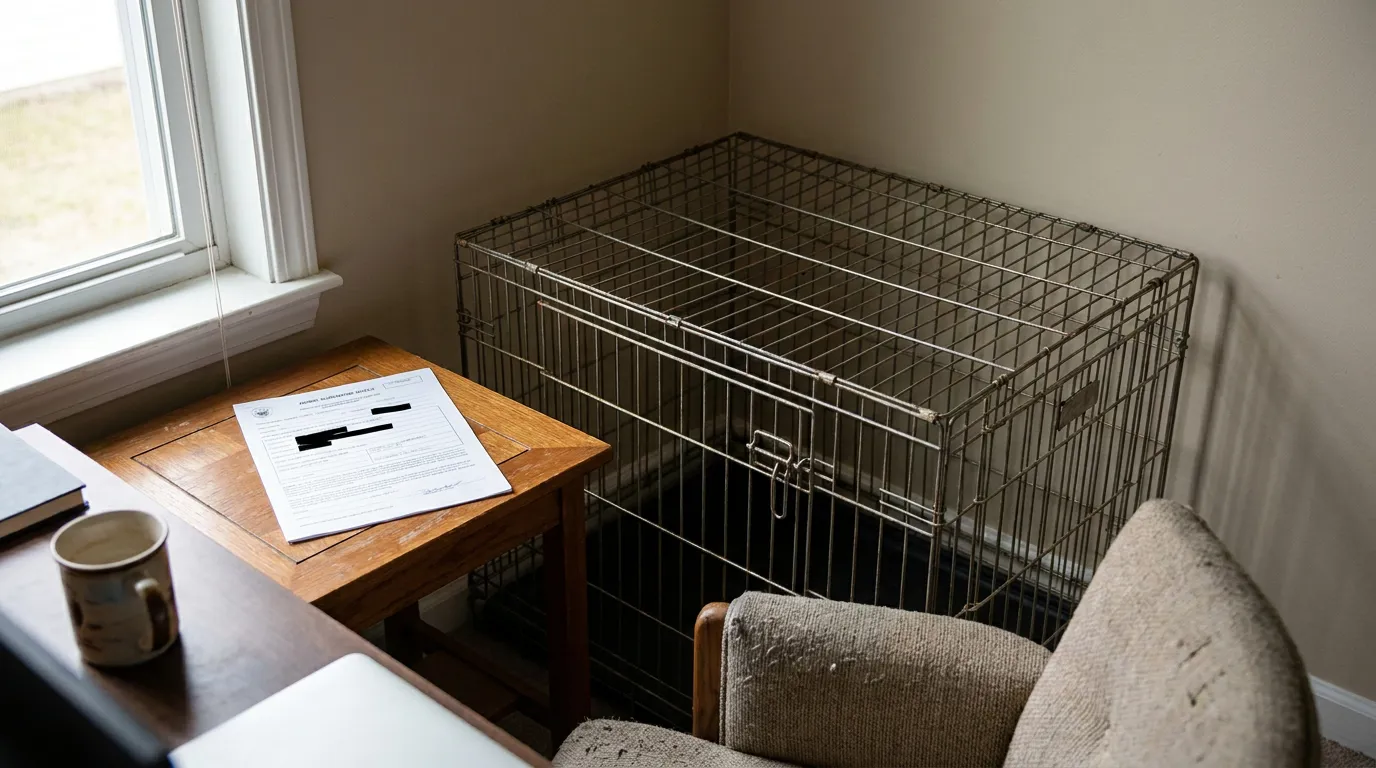
How Dog Quarantine After a Bite Works in Franklin County
The quarantine process begins almost immediately once a bite is reported. Seeking medical treatment often generates a formal bite report, which triggers the investigation and observation process.
Ohio law establishes a firm baseline for observation. Under Ohio Revised Code §955.261(B), the quarantine period for a biting dog is ten days, or another period the local board of health determines necessary. This means the standard 10-day dog quarantine in Ohio can be extended when further observation is warranted.
Why Ohio Requires a 10-Day Observation Period
The ten-day window exists for a specific medical reason. A dog capable of transmitting rabies through its saliva at the time of a bite will typically develop symptoms and die within that same ten-day span. When a dog survives the full period in apparent health, it strongly indicates the animal was not shedding the rabies virus during the bite.
This rule is reinforced by Ohio’s administrative regulations. Ohio Administrative Code Rule 3701-3-29 requires that any animal involved in a bite be quarantined for a minimum of ten days. This baseline applies statewide, governing Columbus and Franklin County dogs the same way it governs the rest of Ohio.
Home Quarantine vs. Shelter Confinement
Ohio regulations expressly allow quarantine at home under the right conditions. The rules provide that the dog, cat, or ferret will be quarantined by its owner or harborer, or in a pound, shelter, or kennel. An animal may be confined at its usual residence or at a facility within the county where it normally resides.
Home quarantine comes with oversight and cost obligations. Ohio’s administrative rule states quarantine will be under the supervision of the health commissioner and at the expense of the owner or harborer. The owner remains responsible for supervision costs and must comply with the health commissioner’s requirements.
Whether home quarantine is granted depends on the dog warden’s judgment. It is at the discretion of the dog warden whether the animal is quarantined at an animal shelter rather than at home. Boards of health are required under Ohio Revised Code §955.261(C)(1) to make provision for the quarantine of individual dogs, enabling at-home arrangements in Franklin County.
💡 Pro Tip: If you were bitten, ask the responding officer where the dog will be quarantined and request the case or report number. This helps confirm the animal completes its observation and preserves a record you may need later.
Rules That Apply During the Quarantine Period
Once under observation, state law restricts what the owner can do with the animal. Ohio Revised Code §955.261(A)(1) provides that no person shall remove or transfer a biting dog from the county before quarantine is complete, with a limited exception.
The core restrictions during a Columbus dog quarantine after a bite include:
- The dog cannot be removed from the county where the bite occurred until quarantine ends.
- The dog cannot be transferred to another private person during observation.
- Transfer to the county dog warden or another animal control authority is permitted as an exception.
- Any home quarantine remains under the supervision of the health commissioner and at the owner’s expense.
Limited Exceptions to the Quarantine Rules
Not every dog that bites a person falls under these requirements. Ohio Revised Code §955.261(D) provides that the section does not apply to a police dog that bit a person while under veterinary care or being used for law enforcement, corrections, prison or jail security, or investigative purposes. If such a police dog exhibits abnormal behavior after biting someone, the law enforcement agency must make the dog available for rabies testing. This carve-out is narrow, so most household and neighborhood dogs remain fully subject to standard rules. You can review the statutory text in Ohio Revised Code 955.261.
How Quarantine Connects to Your Right to Compensation
The quarantine process is a public-health measure separate from any civil claim. Confirming the dog is healthy protects you from rabies, but it does not resolve medical bills, lost wages, scarring, or pain. Those losses are addressed through a civil claim with its own legal standards and deadlines.
Ohio applies a strict-liability approach to dog bites. The state’s dog bite statute, Ohio Revised Code §955.28(B), provides that a dog’s owner, keeper, or harborer is liable for injuries the dog causes, subject to limited exceptions. This means you often do not have to prove the dog had bitten before or that the owner was careless, which distinguishes Ohio from the "one-bite" approach used in some other states summarized in a national dog bite law survey.
When an Owner May Avoid Liability
Ohio’s strict-liability rule has carve-outs. An owner is generally not liable if the victim was teasing, tormenting, or abusing the dog on the owner’s property, was committing or attempting criminal trespass or another criminal offense other than a minor misdemeanor on the property, or was committing or attempting a criminal offense other than a minor misdemeanor against any person. Whether these exceptions apply depends on your particular incident.
Ohio law also extends protection to many lawful visitors. The statute makes a dog owner liable to someone injured while on the property for door-to-door sales or other solicitations. For a deeper look at confinement, our overview of the 10-day dog quarantine in Ohio walks through what to expect. If you are weighing whether to move forward, speaking with a Columbus dog bite lawyer can help you understand how these exceptions might apply.
Steps to Protect Your Claim After a Bite
Acting promptly helps protect both your recovery and your legal options. The following steps are commonly helpful for injured people in the Columbus area:
- Seek medical care right away so your injuries are documented and a bite report is created.
- Report the bite to local animal control or the health department to start the observation process.
- Photograph your injuries, torn clothing, and the location where the bite happened.
- Gather the dog owner’s name, address, and any witness contact information.
- Keep copies of medical records, bills, and any correspondence with insurers.
Timing matters because civil deadlines are limited. In Ohio, personal-injury claims are generally governed by the two-year statute of limitations under Ohio Revised Code §2305.10. Courts apply tolling and discovery exceptions cautiously, so do not assume additional time is available.
Frequently Asked Questions
1. Can I insist that a biting dog be quarantined at a shelter instead of at home?
You can share concerns with officials, but the placement decision is not yours to make. Whether a dog is confined at a shelter or at home is generally a discretionary call for the dog warden and health commissioner.
2. Does home quarantine mean the owner avoids responsibility for my injuries?
No. Where the dog is confined has no effect on the owner’s civil liability. Ohio’s strict-liability statute, Ohio Revised Code §955.28(B), can hold an owner responsible regardless of where the animal is observed.
3. What happens if the dog shows signs of rabies during quarantine?
Additional public-health measures may follow, and the observation period can be extended. Under Ohio Revised Code §955.261(B), the board of health may set a period longer than ten days when needed. Follow all guidance from your treating physician about preventive treatment.
4. Am I still protected if I was bitten while making a delivery?
In many cases, yes, because Ohio law protects lawful visitors. The statute makes an owner liable to a person injured while on the property for door-to-door sales or other solicitations, provided the person was not committing a criminal offense other than a minor misdemeanor or teasing, tormenting, or abusing the dog.
5. How long do I have to file a dog bite claim in Ohio?
Ohio generally allows two years for personal-injury claims. Ohio Revised Code §2305.10 sets that two-year window. Because certain factors can affect the practical deadline, act well before it expires.
Protecting Your Rights After a Columbus Dog Bite
Home quarantine is a legally permitted option in Columbus, yet it is a discretionary decision that does not diminish an owner’s responsibility. Ohio’s 10-day observation rule protects public health, while its strict-liability statute protects injured people who need to recover medical costs and other damages.
If you have questions about a bite incident, the team at Rinehardt Injury Attorneys is here to help you understand your rights. Call us today at 419-529-2020 or send a message through our online case review request to take the next step toward protecting your recovery.