Is the Left-Turning Driver Always at Fault in an Ohio T-Bone Crash?
By John K. Rinehardt, Board Certified Civil Trial Attorney (NBTA)
11-05-26
Who Pays When a Left Turn Ends in a Broadside Crash?
Key Takeaways: The left-turning driver is not always at fault in an Ohio T-bone crash, even though insurers and courts often start out assuming they are. Under ORC 4511.42(A), a left-turning driver generally only has to yield to an oncoming vehicle that is already in the intersection or close enough to be an "immediate hazard." A green arrow generally protects the turning driver from an oncoming driver who runs a red, while a green ball or flashing yellow arrow still generally requires the turning driver to yield. Speeding, running a stop or yield sign, distraction, and impairment by the other driver may also shift blame. Under Ohio’s comparative negligence rule in ORC 2315.33, an injured driver who shares fault may still recover reduced damages unless their fault is greater than the combined fault of all others whose negligence contributed to the injury. Video footage, vehicle "black box" data, and crash reconstruction often help decide fault, and injury lawsuits generally must be filed within two years.
Many people assume the left-turning driver is always at fault in a T-bone crash, but Ohio law is more complicated than that. Traffic signals, stop signs, speeding, and red-light violations can all change who is at fault. If you were hurt in a left-turn crash in Columbus, the details of the impact may affect whether you can recover compensation and how much.
You don’t have to wait for an insurer to decide fault for you. Rinehardt Injury Attorneys helps injured Ohioans investigate intersection crashes and pursue claims against responsible drivers. Call 419-529-2020 or contact us now to talk about your case.
The Core Rule: Ohio Left-Turn Right-of-Way
The starting point is Ohio Rev. Code 4511.42(A). A driver turning left at an intersection, or into an alley, private road, or driveway, must yield to any vehicle coming from the opposite direction "whenever the approaching vehicle is within the intersection or so close to the intersection, alley, private road, or driveway as to constitute an immediate hazard." You can read the full Ohio left-turn statute on the state’s official code website.
Ohio cities generally use this same language in their local traffic codes. Many city codes copy ORC 4511.42 almost word for word, so a similar rule generally applies in Columbus. In practice, insurers often assume the left-turning driver caused the crash, and courts tend to treat a failure to yield as strong evidence of negligence.
Why "Immediate Hazard" Matters So Much
The phrase "immediate hazard" is the main reason fault is not automatic. Suppose the oncoming car was far away when the turn began, then sped up or ran a red light to close the gap. The turning driver may not have broken the law at all. Ohio courts have also held that an oncoming driver can lose their right-of-way by driving unlawfully, such as by speeding well over the limit. The answer often turns on distance, speed, visibility, and timing.
Tickets Help, but They Do Not Decide Civil Fault
Failing to yield on a left turn is generally a minor misdemeanor under Ohio Rev. Code 4511.42(B). The charge can rise to a fourth-degree misdemeanor with one prior conviction for certain traffic offenses within a year, and a third-degree misdemeanor with two or more. A traffic ticket can be useful evidence in an injury claim, but courts decide civil fault separately. Under Ohio Evidence Rule 410, a court will generally admit a guilty plea, but not a no-contest plea.
How Traffic Signals Shift Side-Impact Liability
The signal each driver faced can change who is liable. Ohio Rev. Code 4511.13 sets out what each light means, and the Ohio traffic signal law separates protected turns from permissive ones. The table below sums up the main rules.
| Signal or Sign | What the Turning or Entering Driver Must Do | Typical Fault Result |
|---|---|---|
| Steady green ball (ORC 4511.13(A)(1)) | Yield to pedestrians and vehicles lawfully in the intersection, and when turning left, yield to oncoming immediate hazards under ORC 4511.42 | Most left-turn liability arises here |
| Green arrow (ORC 4511.13(A)(2)) | Yield to pedestrians and "other traffic lawfully using the intersection" | Fault may shift to an oncoming driver who ran a red |
| Flashing yellow arrow (ORC 4511.13(E)(2)) | Enter with caution and yield to oncoming hazards | Not a protected turn |
| Flashing red (ORC 4511.13(F)) | Stop, then follow stop-sign rules | A driver who rolls through may be at fault |
| Stop sign (ORC 4511.43(A)) | Stop, then yield to immediate hazards | Stop-sign driver often bears primary fault |
| Yield sign (ORC 4511.43(B)) | Slow or stop as needed and yield | A crash after passing the sign without stopping is prima facie (initial) evidence of failure to yield |
Green Ball vs. Green Arrow
A steady green ball allows a "permissive" left turn, which means the turning driver still has to yield. This is where most turning-driver liability comes from. With a green arrow, oncoming drivers facing a red light are generally not "lawfully" in the intersection, so fault may shift to the driver who ran the red. Even so, the turning driver must still use ordinary care and may share fault if they could reasonably have avoided an obvious hazard.
Flashing Yellow Arrows at Columbus Intersections
Flashing yellow arrows are now common across Columbus, and they often confuse drivers. Under ORC 4511.13(E)(2), a flashing yellow arrow lets a driver enter the intersection with caution, but only after yielding to pedestrians and to oncoming traffic that is an immediate hazard. It is not a protected turn, and a driver who treats it like a green arrow may be found at fault.
💡 Pro Tip: Photograph the signals at the intersection as soon as you safely can. Signal timing and arrow types can change after a crash, and an early record can help show what each driver saw.
When the Other Driver Shares or Carries the Blame
A left-turning driver may share fault or have none at all, depending on what the other driver did. Common cases where fault may shift include:
- The oncoming driver was speeding, which can make a safe-looking gap disappear
- The oncoming driver ran a red light while the turning driver had a green arrow
- A driver rolled through a stop sign or flashing red and hit a turning car broadside
- A driver went past a yield sign without stopping and caused a crash
- A driver was distracted, impaired, or driving without headlights at night
Stop and yield signs have their own rules under Ohio Rev. Code 4511.43. After stopping at a stop sign, a driver must yield to vehicles in the intersection or close enough to be an immediate hazard. When a stop-sign driver pulls out and causes a T-bone crash, that driver often bears primary fault. At yield signs, ORC 4511.43(B) goes further. If a driver passes a yield sign without stopping and then hits a vehicle in the intersection, the crash "shall be prima-facie evidence of the driver’s failure to yield the right-of-way." That driver can still try to overcome this with other evidence.
Comparative Fault and Your Left-Turn Crash Claim
Under Ohio’s comparative negligence rules, shared fault does not always end your claim. Under Ohio Rev. Code 2315.33, an injured person’s damages are generally reduced by their percentage of fault. Recovery is barred only if their fault is greater than the combined fault of all others whose negligence contributed to the injury. For example, a driver found 20% at fault may still recover 80% of their damages.
Insurers know these percentages matter, so they often try to shift blame onto injured drivers. An adjuster may claim you turned too soon or should have seen the other car, which can lower settlement offers even when the evidence points the other way. The failure-to-yield crash data in Columbus shows how often these disputes come up locally.
Evidence That Shows Who Is at Fault in a Side-Impact Crash
Proving fault in a T-bone crash usually takes more than the police report. Officers often arrive after the crash and may rely on statements from drivers who disagree.
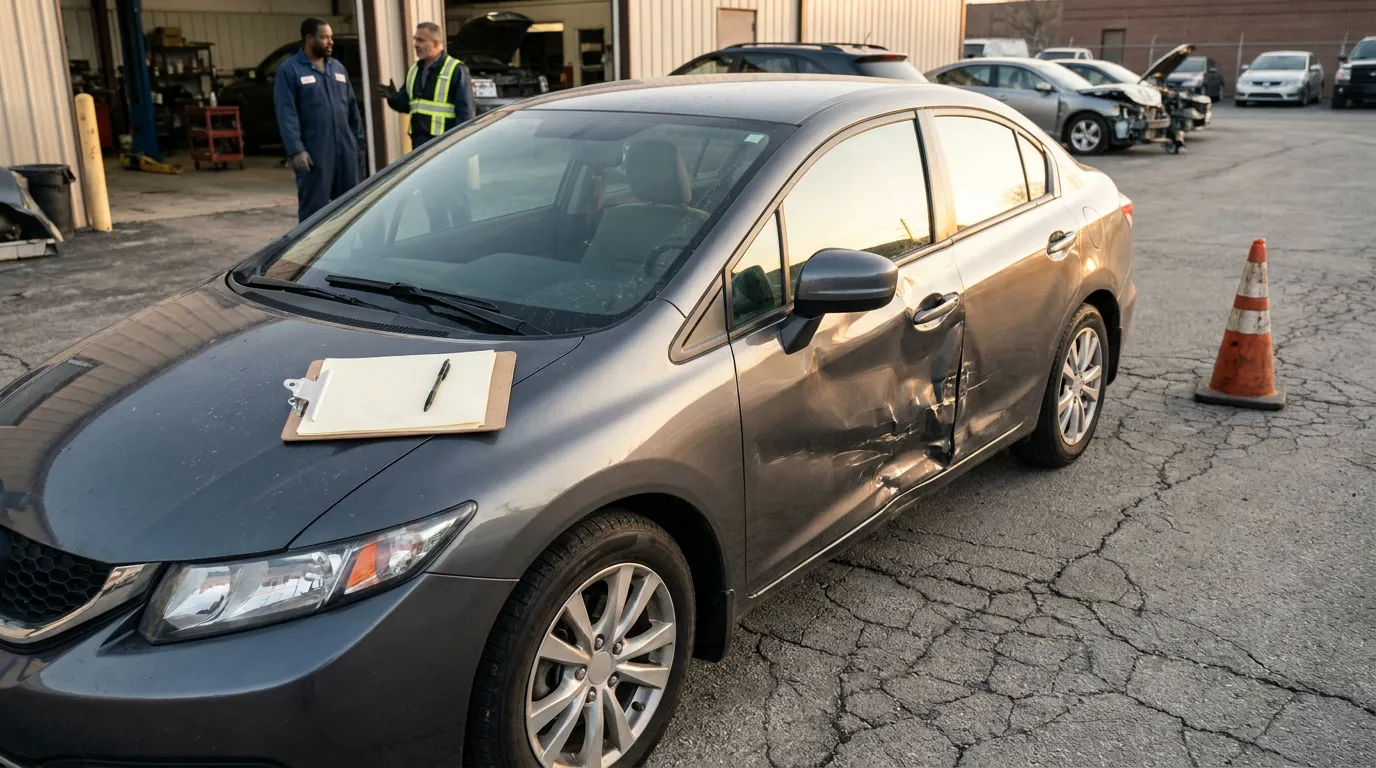
Useful evidence may include traffic camera and dashcam footage, vehicle "black box" data, witness statements, and photos of vehicle damage and where the cars came to rest. Crash reconstruction can estimate speeds and sightlines, which matters in "immediate hazard" disputes. A Columbus car accident attorney can help gather this evidence before it is lost or erased.
💡 Pro Tip: Don’t give a recorded statement to the other driver’s insurer before you understand your rights. Casual comments about speed or what you "didn’t see" may later be used to argue that you share fault.
Deadlines That Can Affect Your Claim
Ohio generally allows two years from the date of injury to file a bodily injury lawsuit under Ohio Rev. Code 2305.10. Limited exceptions, such as pausing the deadline for minors under ORC 2305.16, may apply. Property-damage-only claims generally have their own two-year limit. Claims involving government vehicles may raise immunity issues under ORC Chapter 2744. Video footage may be deleted within days or weeks, so acting early often matters as much as the formal deadline.
Frequently Asked Questions
1. Is the left-turning driver always at fault in Ohio?
No, though people often presume so. Under ORC 4511.42(A), the duty to yield generally applies when the oncoming vehicle is in the intersection or is an immediate hazard. Speeding, red-light running, or other violations by the oncoming driver may shift some or all of the fault.
2. Does a green arrow protect me if I was turning left?
In many cases, yes. ORC 4511.13(A)(2) requires a driver with a green arrow to yield only to pedestrians and to traffic "lawfully using the intersection." An oncoming driver who ran a red light generally is not lawfully there. You still have to use ordinary care.
3. Can I recover compensation if I was partly at fault?
Possibly. Under ORC 2315.33, your recovery is generally reduced by your share of fault. It is barred only if your fault is greater than the combined fault of all others whose negligence contributed to the injury.
4. Does a traffic ticket prove who caused the crash?
Not by itself. A ticket under ORC 4511.42(B) can be helpful evidence, but courts decide civil fault separately. A no-contest plea to the ticket generally cannot be used against the driver in a civil case.
5. How long do I have to file a claim?
Ohio generally allows two years for personal injury lawsuits under ORC 2305.10. Limited exceptions may apply, and claims involving government entities may follow different rules.
Getting Clear Answers After an Intersection Crash in Ohio
Fault in an Ohio T-bone crash depends on the facts, not on a single assumption. The left-turning driver has a strong legal duty to yield. Even so, the immediate-hazard rule, the signal each driver faced, stop and yield sign rules, and comparative negligence can all affect the result.
If you were hurt in an intersection crash in Ohio, you don’t have to sort out the fault dispute alone. Rinehardt Injury Attorneys is ready to review what happened and explain your options. Call 419-529-2020 or schedule your consultation today.
Disclaimer: This content is for informational purposes only and is not legal advice. Every case is unique, and results may vary. Consult an attorney about your specific circumstances.