What Are Common Causes of Truck Crashes on I-71 in Columbus?
By John K. Rinehardt, Board Certified Civil Trial Attorney (NBTA)
05-26-26
Why I-71 Is a Hotspot for Truck Crashes in Columbus
Interstate 71 cuts through Columbus, carrying thousands of commercial trucks daily between Cincinnati, Columbus, and Cleveland. When a fully loaded semi-truck collides with a passenger vehicle on this busy corridor, the results can be catastrophic. Understanding the common causes behind these crashes is essential for protecting your rights and building a strong claim. Federal research confirms that driver-related factors like fatigue, distraction, and speeding rank among the top reasons large truck crashes occur, particularly along high-traffic stretches like I-71 through Franklin County.
If you or a loved one has been hurt in a truck collision on I-71, Rinehardt injury Lawyers is ready to help. Call 419-529-2020 or reach out online to discuss your case today.
Driver Fatigue and Hours-of-Service Violations
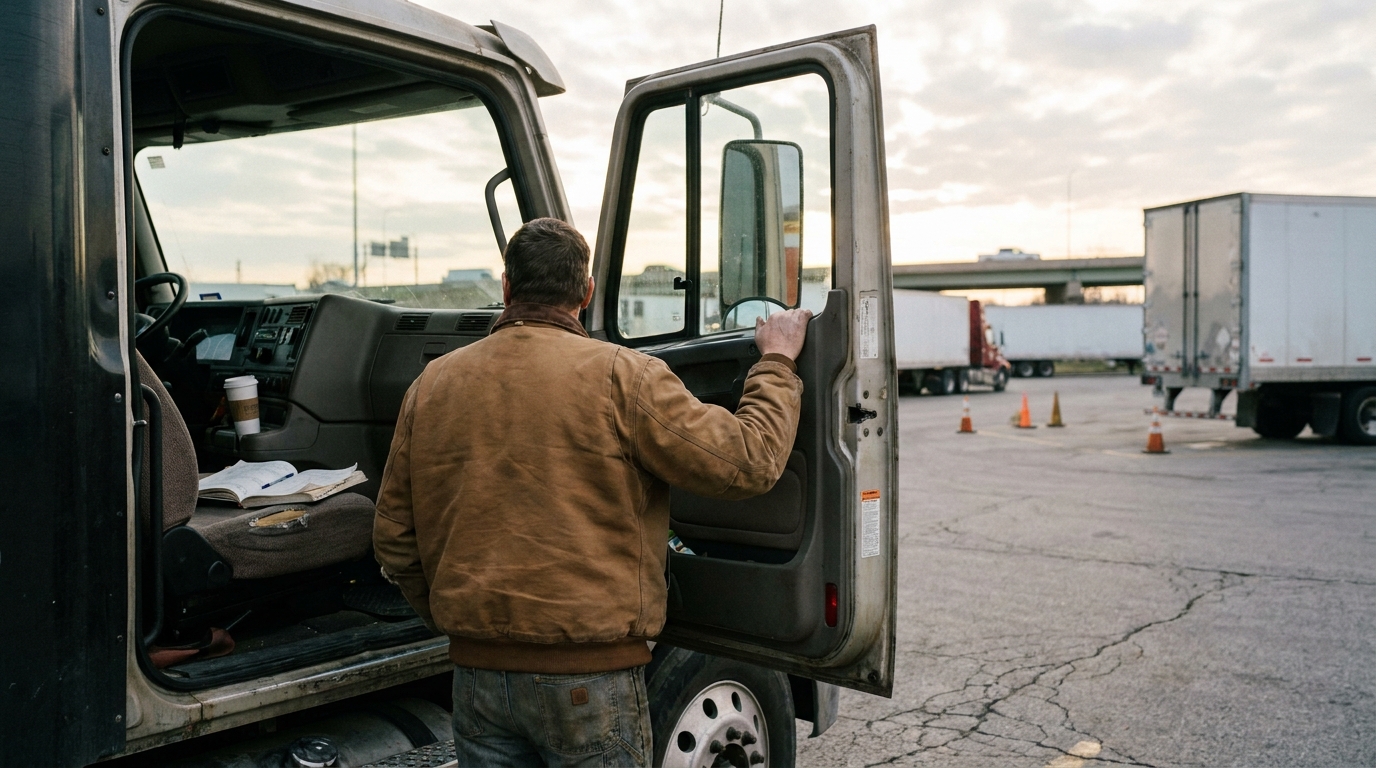
Fatigued driving remains one of the leading causes of serious truck wrecks on Ohio interstates. Long-haul truckers traveling the I-71 corridor between major metro areas often push the limits of federal hours-of-service rules, leading to slower reaction times and impaired judgment. The FMCSA’s Large Truck Crash Causation Study identified driver fatigue as a recurring factor in serious collisions.
The consequences are amplified by the sheer size of commercial trucks. About 70% of large trucks involved in fatal crashes are heavy-duty Class 7 or Class 8 vehicles, which include the truck-tractor semi-trailers commonly seen on I-71. When a driver operating an 80,000-pound vehicle loses focus even momentarily, the margin for error disappears. Victims may have grounds for a negligence claim against both the driver and the motor carrier that allowed or encouraged the violation.
💡 Pro Tip: After a truck crash, request that your attorney preserve the truck’s electronic logging device (ELD) data immediately. This data can reveal whether the driver exceeded legal driving hours before the collision, and carriers may overwrite or lose it if you wait.
Distracted and Reckless Driving on I-71
Distracted driving by truckers is a growing problem across Ohio’s interstate system. Texting, adjusting GPS devices, eating, or reaching for items in the cab can pull a commercial driver’s attention away from the road at a critical moment. FMCSA research identifies distraction as one of the top driver-related factors in large truck crashes nationwide.
Speeding and aggressive lane changes compound the danger on congested stretches of I-71 through Columbus. When a semi-truck driver follows too closely or changes lanes without adequate clearance, passenger vehicles have almost no time to react. These behaviors can constitute negligence, and victims of an I-71 truck crash may be able to hold the trucker and their employer accountable for reckless conduct.
💡 Pro Tip: If you witness a truck driver using a phone or driving erratically before a crash, write down everything you remember as soon as it is safe. Witness statements and dashcam footage can become powerful evidence when proving distracted driving.
Vehicle Maintenance Failures and Equipment Defects
Poorly maintained trucks are a serious hazard on every mile of I-71. Brake failures, tire blowouts, faulty lighting, and worn steering components can all turn a routine trip into a deadly crash. Federal regulations require motor carriers to conduct regular inspections and maintain detailed records, and a failure to do so can establish strong evidence of negligence.
Brake and Tire Failures
Brake deficiencies are among the most frequently cited mechanical issues in truck crash investigations. A loaded tractor-trailer at highway speed needs significantly more stopping distance than a passenger car. When brakes are worn or improperly adjusted, that stopping distance increases dramatically. Tire blowouts can cause a driver to lose control entirely, sending the truck across lanes of traffic.
Defective Parts and Third-Party Liability
In some cases, a defective truck component may shift liability to the manufacturer or a maintenance provider. Ohio Revised Code Chapter 2307 governs civil actions for damages, including product liability claims that could apply when a faulty part contributes to a crash. Identifying all responsible parties early is essential, because liability in a truck crash case often extends beyond the driver.
💡 Pro Tip: Truck maintenance logs and inspection records are crucial pieces of evidence. Your attorney can issue a spoliation letter to the trucking company demanding that these records be preserved before they are altered or destroyed.
How Truck Crash Liability Works in Columbus, Ohio
Truck crash cases in Columbus often involve multiple potentially liable parties. The driver, the trucking company, a cargo loader, or even a vehicle manufacturer could share responsibility depending on the facts. Understanding how Ohio law handles shared fault is essential for anyone pursuing a claim.
Ohio’s Modified Comparative Negligence Rule
Ohio follows a modified comparative negligence standard under a 51% bar rule. Under Ohio Revised Code § 2315.33, an injured person can recover damages only if their contributory fault is not greater than the combined fault of all other parties from whom they seek recovery. If you share some responsibility, your compensation will be reduced by your percentage of fault. If your fault reaches 51% or more, your recovery is barred entirely.
| Plaintiff’s Fault | Can You Recover? | Effect on Compensation |
|---|---|---|
| 0% | Yes | Full damages awarded |
| 1%-50% | Yes | Reduced by your fault percentage |
| 51% or more | No | Recovery is barred entirely |
Trucking companies and their insurers frequently try to shift blame onto injured victims to reduce or eliminate payouts. They may argue you were speeding, failed to signal, or were otherwise partly at fault. Having an experienced attorney review the facts can help counter these tactics and protect your right to fair compensation.
Parties That May Be Liable
Identifying every responsible party strengthens your claim and may increase available compensation. Potential defendants in an I-71 truck crash case can include:
- The truck driver (for fatigue, distraction, impairment, or traffic violations)
- The motor carrier or trucking company (for negligent hiring, training, or supervision)
- A cargo loading company (for improperly secured or overweight loads)
- A maintenance contractor (for substandard repairs or inspections)
- A parts manufacturer (for defective brakes, tires, or other components)
💡 Pro Tip: Do not accept a quick settlement offer from a trucking company’s insurer without consulting an attorney first. Early offers are often far below what your claim may actually be worth, especially before the full extent of your injuries is known.
Federal Research Highlights a Worsening Trend
National data shows that fatal truck crashes are increasing. From 2016 to 2022, fatal crashes involving large trucks and buses in the United States increased 26.4%, according to FMCSA data. Congress responded by mandating a comprehensive federal study of commercial motor vehicle crash causes, leading to the Crash Causal Factors Program examining driver, vehicle, motor carrier, and environmental factors.
These statistics matter for Columbus crash victims because they demonstrate a documented, systemic problem. Federal research can support your case by showing that the type of crash you experienced follows recognized patterns of negligence and regulatory failure within the trucking industry. An experienced truck accident lawyer in Columbus, OH can use this evidence to strengthen your claim.
Ohio’s Statute of Limitations for Truck Crash Claims
Time limits apply to every personal injury claim in Ohio. Under Ohio Revised Code § 2305.10, an action for bodily injury generally must be brought within two years after the cause of action accrues. Missing this deadline may permanently bar you from recovering compensation.
Certain circumstances may affect when the clock starts running, but courts generally interpret these exceptions narrowly. The safest approach is to consult with an attorney as soon as possible after a truck crash to ensure all deadlines are met and critical evidence is preserved.
💡 Pro Tip: Even if you are unsure whether you have a valid claim, consulting an attorney early costs you nothing in lost rights. Waiting too long, however, can cost you everything. Evidence disappears, witnesses forget details, and legal deadlines pass.
Frequently Asked Questions
1. What are the most common causes of truck accidents on I-71 in Columbus, Ohio?
The most common causes include driver fatigue, distracted driving, speeding, improper vehicle maintenance, and cargo loading errors. Federal research from the FMCSA’s Large Truck Crash Causation Study identifies driver-related factors as the leading contributors to serious large truck crashes.
2. How long do I have to file a truck accident claim in Ohio?
Under Ohio Revised Code § 2305.10, you generally have two years from the date of the injury to file a personal injury lawsuit. Specific facts in your case could affect this timeline, so speak with an attorney promptly.
3. Can I still recover compensation if I was partially at fault for the truck crash?
Ohio uses a modified comparative negligence rule under Ohio Revised Code § 2315.33. You may recover damages as long as your contributory fault is not greater than the combined fault of all other parties. Your compensation will be reduced in proportion to your share of responsibility, and if you are 51% or more at fault, recovery is barred.
4. Who can be held liable in an I-71 truck crash case?
Multiple parties may share liability, including the truck driver, the trucking company, cargo loaders, maintenance contractors, and parts manufacturers. An attorney can investigate the circumstances to identify all potentially responsible parties.
5. Why do trucking companies try to blame the victim after a crash?
Trucking companies and their insurers understand that shifting even a portion of fault to you can significantly reduce or eliminate what they owe. Under Ohio’s comparative fault rules, proving you were 51% or more at fault would bar your recovery entirely, which is why building a strong, evidence-backed case early matters.
Protecting Your Rights After an I-71 Truck Crash
Truck crashes on I-71 in Columbus happen for preventable reasons, from fatigued drivers to poorly maintained rigs to reckless behavior. Ohio law provides a path to compensation for victims, but that path comes with strict deadlines, complex liability questions, and aggressive insurance tactics. Understanding the common causes and how the law applies puts you in a stronger position to pursue the recovery you deserve.
If you or someone in your family has been seriously injured in a truck collision in central Ohio, Rinehardt injury Lawyers can help you understand your options and fight for full compensation. Call 419-529-2020 or contact us today to schedule a consultation.