What Constitutes Willful Misconduct in Ohio Medical Transport Cases?
03-26-26
What Constitutes Willful Misconduct in Ohio Medical Transport Cases?
When you or a loved one suffers an injury during medical transport in Mansfield, understanding the legal standards is crucial. Ohio law provides certain protections to medical transport providers through Good Samaritan immunity, but these protections have important exceptions. The key exception involves willful or wanton misconduct, a legal standard that determines whether you have a valid claim. This article explains what constitutes willful or wanton misconduct in Ohio medical transport cases and how it affects your rights.
If you’ve been injured during medical transport and need to understand your legal options, Rinehardt Law Firm can help evaluate whether your case involves willful or wanton misconduct. Call 419-529-2020 or contact us now to discuss your situation.
Understanding Ohio’s Good Samaritan Law for Medical Transport
Ohio’s Good Samaritan statute creates a significant legal hurdle for patients injured during medical transport in emergency situations. Under Ohio Revised Code Section 2305.23, persons administering emergency care at the scene of an emergency outside of a hospital, doctor’s office, or other place having proper medical equipment are immune from civil liability unless their acts constitute willful or wanton misconduct. However, the statute explicitly excludes situations where care is rendered for payment, meaning paid medical transport providers generally do not qualify for this immunity.
The distinction between volunteer and paid providers is critical in determining applicable legal standards. While volunteer EMTs responding to emergencies enjoy broad immunity protection, professional medical transport companies operating for profit face different liability standards. The Ohio Revised Code Chapter 2305 establishes these distinctions, though the law includes specific carve-outs for paid law enforcement officers and firefighters.
💡 Pro Tip: Document whether your medical transport provider was a volunteer service or a paid company, as this distinction significantly affects the legal standards that apply to your case.
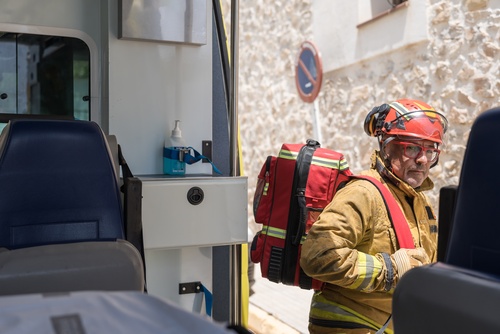
Medical Transportation Lawyer in Mansfield, OH Can Help Navigate Complex Standards
Working with a knowledgeable attorney is essential when pursuing a medical transport injury claim in Ohio. The intersection of Good Samaritan immunity, willful or wanton misconduct standards, and Ohio’s tort liability framework creates a complex legal landscape. An experienced patient injury lawsuit attorney can determine whether your case meets the heightened standard of willful or wanton misconduct.
Ohio’s medical transport cases often involve multiple potential defendants with different liability standards. The transport company, individual EMTs, drivers, and equipment manufacturers may all bear responsibility. Ohio’s joint and several liability rules apply to defendants with more than 50% fault or who committed intentional torts.
The Role of Regulatory Standards
The Ohio State Board of Emergency Medical, Fire, and Transportation Services establishes the regulatory framework governing medical transport providers. These regulations create baseline standards of care that, when violated, may help establish negligence or willful or wanton misconduct. The State Board of EMFTS oversees certification standards, training requirements, and operational protocols.
The Legal Difference Between Negligence and Willful Misconduct
Understanding the distinction between ordinary negligence and willful or wanton misconduct is fundamental to evaluating your claim. Negligence involves a failure to exercise reasonable care, such as a paramedic making an honest mistake. In Ohio, courts define willful misconduct as an intentional deviation from a duty or purposeful wrongdoing, and wanton misconduct as a failure to exercise any care where harm is highly probable and known. While these standards are higher than ordinary negligence, Ohio law treats willful and wanton misconduct as distinct standards that are above ordinary negligence rather than simply equating them with gross negligence. Gross negligence is generally defined in U.S. law as a conscious, voluntary act or omission in reckless disregard of a legal duty.
Ohio law treats willful and wanton misconduct as distinct standards that are above ordinary negligence rather than simply equating them with gross negligence. The conduct at issue still must show intentional deviation, purposeful wrongdoing, or a conscious disregard for others’ rights and safety that the actor knows or should know is likely to result in injury. This might include:
- Knowingly operating unsafe equipment despite warnings
- Deliberately ignoring critical patient needs
- Consciously violating safety protocols without justification
- Abandoning a patient in need of care
How Courts Evaluate Willful Misconduct
Courts examine the totality of circumstances when determining whether conduct rises to willful or wanton misconduct. Factors include the defendant’s knowledge of risks, available alternatives, the urgency of the situation, and whether the defendant made a conscious choice to act despite known dangers. Emergency circumstances may explain some deviations but don’t excuse conscious disregard for patient safety.
💡 Pro Tip: Preserve all documentation from your medical transport, including transport records, billing statements, and incident reports, as these documents often contain crucial evidence about the provider’s state of mind and decision-making.
Examples of Willful Misconduct in Medical Transport Cases
Real-world scenarios help illustrate when medical transport provider actions may constitute willful or wanton misconduct. Consider a transport team that receives multiple warnings about malfunctioning oxygen equipment but continues using it anyway, resulting in a patient suffering hypoxic brain injury. This conscious decision to use known defective equipment despite clear risks could constitute willful or wanton misconduct.
Another example involves deliberate abandonment or refusal of care. If a medical transport crew refuses to properly secure a combative psychiatric patient despite having appropriate restraints available, leading to the patient injuring themselves during transport, this conscious choice to ignore safety protocols might rise to willful or wanton misconduct.
Documentation and Evidence Patterns
Certain patterns in documentation often signal potential willful or wanton misconduct:
- Falsified transport records or vital signs
- Documented refusals to follow physician orders
- Evidence of substance impairment during transport
- Pattern of safety violations by the same provider
- Deliberate destruction of evidence after an incident
Proving Willful Misconduct: Evidence and Documentation
Building a successful willful or wanton misconduct case requires specific evidence demonstrating the provider’s state of mind. Unlike simple negligence cases where you must show the provider failed to meet the standard of care, willful or wanton misconduct cases require evidence of conscious choices and deliberate actions. This includes witness testimony, documentation of prior incidents, policy violations, and expert testimony.
Electronic data from medical transport vehicles increasingly plays a crucial role in these cases. Modern ambulances often contain GPS tracking, communication logs, equipment monitoring systems, and video recordings. This data can reveal whether providers followed proper routes, maintained appropriate speeds, and properly monitored patient conditions.
💡 Pro Tip: Request preservation of all electronic data immediately after an incident, as some systems automatically overwrite data after a certain period, potentially losing crucial evidence.
Witness Testimony and Expert Analysis
Multiple witnesses often provide different perspectives on the same transport incident. Other patients, family members, receiving facility staff, and bystanders can provide valuable testimony about the transport team’s behavior and decisions. Their observations about apparent impairment, aggressive behavior, or deliberate indifference to patient needs can support willful or wanton misconduct claims.
Expert witnesses help establish whether conduct violated industry standards so egregiously that it constitutes willful or wanton misconduct. These experts explain what reasonable providers would do in similar circumstances and identify when conduct demonstrates conscious disregard for safety.
Your Rights and Time Limits After a Medical Transport Injury
Ohio law imposes strict time limits on medical transport injury claims. Under Ohio Revised Code Section 2305.10, actions for bodily injury must generally be brought within two years after the cause of action accrues. This deadline applies regardless of whether you’re claiming negligence or willful or wanton misconduct.
Multiple legal theories might apply to your case, including:
- Standard negligence claims against paid providers
- Vicarious liability claims against transport companies
- Product liability claims for defective equipment
- Claims against multiple defendants with varying fault percentages
Understanding Damage Categories and Recovery
Ohio law distinguishes between economic and noneconomic damages in ways that affect your potential recovery. Economic damages include medical expenses, lost wages, and rehabilitation costs. Defendants with more than 50% fault or who committed intentional torts face joint and several liability for these economic damages, meaning you can collect the full amount from any such defendant.
Noneconomic damages for pain, suffering, and loss of enjoyment of life follow different rules. Each defendant only pays their proportionate share based on their percentage of fault. This distinction makes accurate fault allocation crucial to maximizing recovery.
💡 Pro Tip: Keep detailed records of all economic losses from day one, including receipts for medical expenses, documentation of missed work, and estimates for future care needs.
Frequently Asked Questions
1. How is willful misconduct different from gross negligence in Ohio medical transport cases?
Ohio courts and legal sources treat willful or wanton misconduct as distinct standards and generally place them above ordinary negligence rather than equating them with gross negligence. Willful misconduct is typically described as an intentional deviation from a duty or purposeful wrongdoing, while wanton misconduct is a failure to exercise any care where harm is highly probable and known. Gross negligence is generally defined in U.S. law as a conscious, voluntary act or omission in reckless disregard of a legal duty; Ohio treats these concepts as separate standards that may overlap depending on the facts.
2. Can I sue if the medical transport provider was responding to an emergency?
Emergency circumstances don’t automatically bar lawsuits, but they affect what standards apply. If the provider qualifies for Good Samaritan immunity under Ohio Revised Code Section 2305.23, you must prove willful or wanton misconduct rather than ordinary negligence. The emergency context matters when evaluating whether decisions were reasonable, but it doesn’t excuse conscious disregard for patient safety. Paid providers generally do not qualify for Good Samaritan immunity even in emergencies.
3. What damages can I recover in an Ohio medical transport injury case?
Ohio law allows recovery of both economic and noneconomic damages. Economic damages include medical expenses (past and future), lost wages, rehabilitation costs, and other out-of-pocket expenses. Noneconomic damages compensate for pain, suffering, and loss of enjoyment of life. Punitive damages may be available in cases involving actual malice under Ohio Revised Code Section 2315.21, which requires proving the defendant acted with conscious disregard for others’ rights and safety.
4. How long do I have to file a medical transport injury lawsuit in Ohio?
Ohio’s statute of limitations for bodily injury claims is generally two years from the date of injury. This deadline applies strictly, and missing it typically bars your claim entirely regardless of merit. Given these strict deadlines and the time needed to investigate complex medical transport cases, consulting an Ohio EMS liability attorney promptly protects your rights.
5. What if multiple providers were involved in my medical transport injury?
Ohio’s comparative fault system allows claims against multiple defendants who may share responsibility for your injuries. Each defendant’s percentage of fault affects their liability for damages, with special rules for defendants found more than 50% at fault or liable for intentional torts. These defendants face joint and several liability for economic damages, meaning you can collect the full amount from any of them.
Protecting Your Rights After Medical Transport Injuries in Mansfield
Understanding what constitutes willful or wanton misconduct in Ohio medical transport cases empowers injured patients to make informed decisions about their legal options. While Ohio law provides important protections for emergency responders and medical transport providers, these protections have limits. When providers consciously disregard patient safety, violate established protocols without justification, or make deliberate choices that endanger those in their care, they may face liability despite Good Samaritan immunity.
If you or a loved one suffered injuries during medical transport in Mansfield or surrounding areas, don’t navigate Ohio’s complex legal standards alone. Rinehardt Law Firm has the experience to evaluate whether your case involves willful or wanton misconduct and help you pursue the compensation you deserve. Time limits apply to all medical transport injury claims, so act promptly. Call 419-529-2020 or contact us today for a consultation about your medical transport injury case.